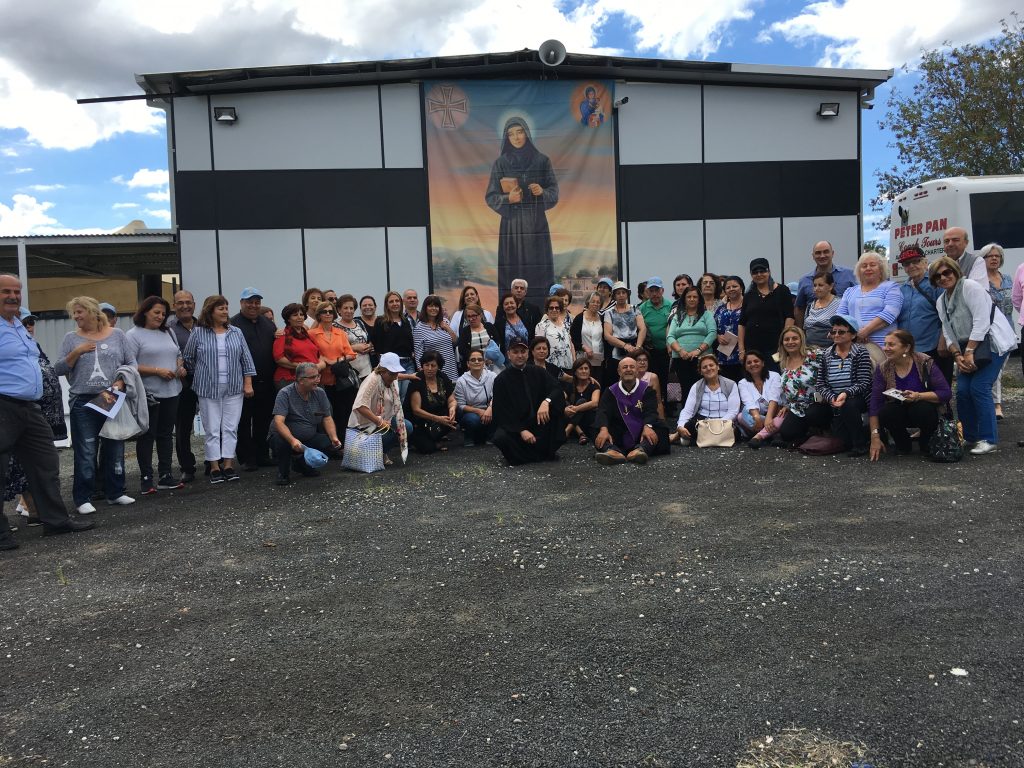
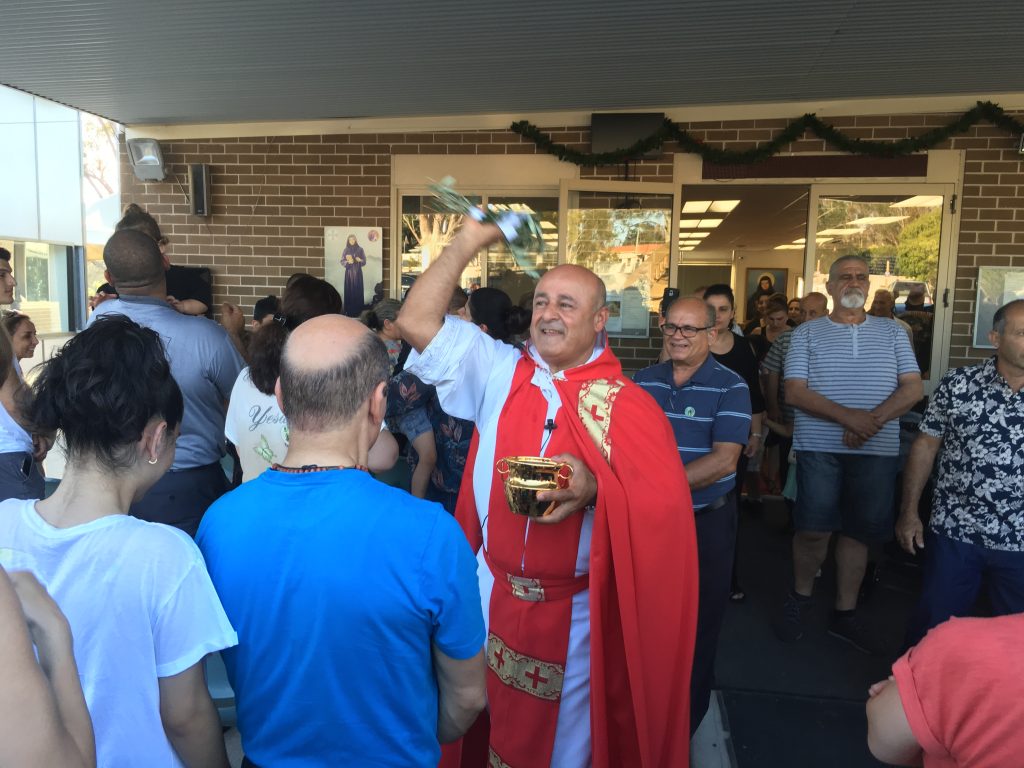
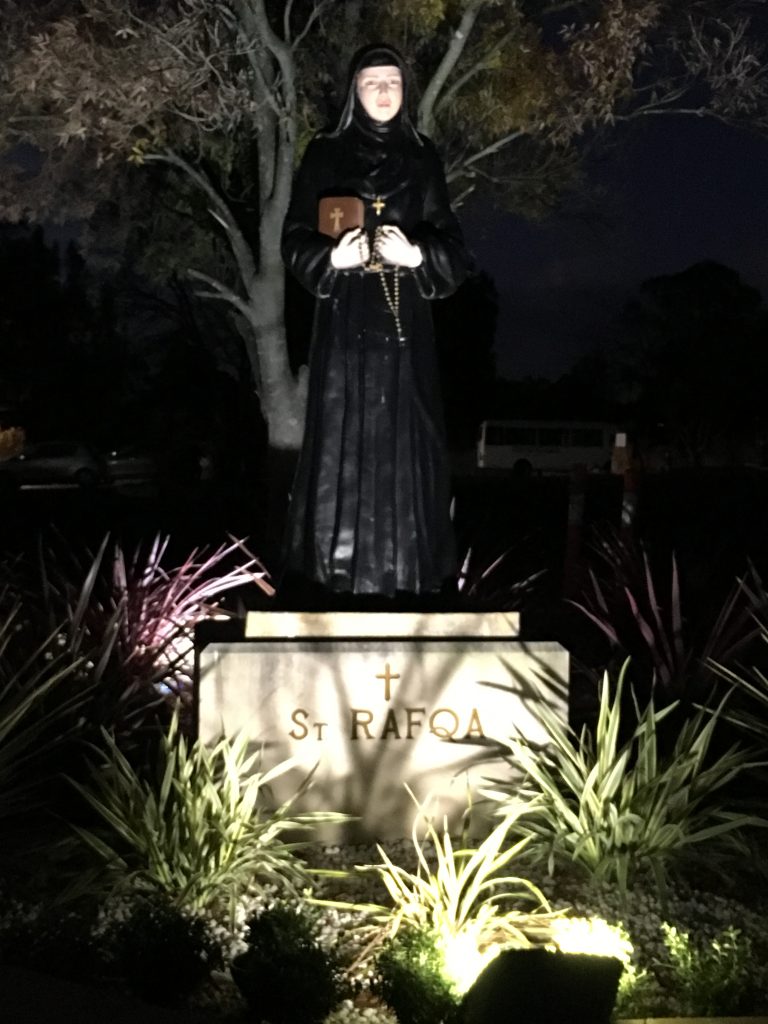
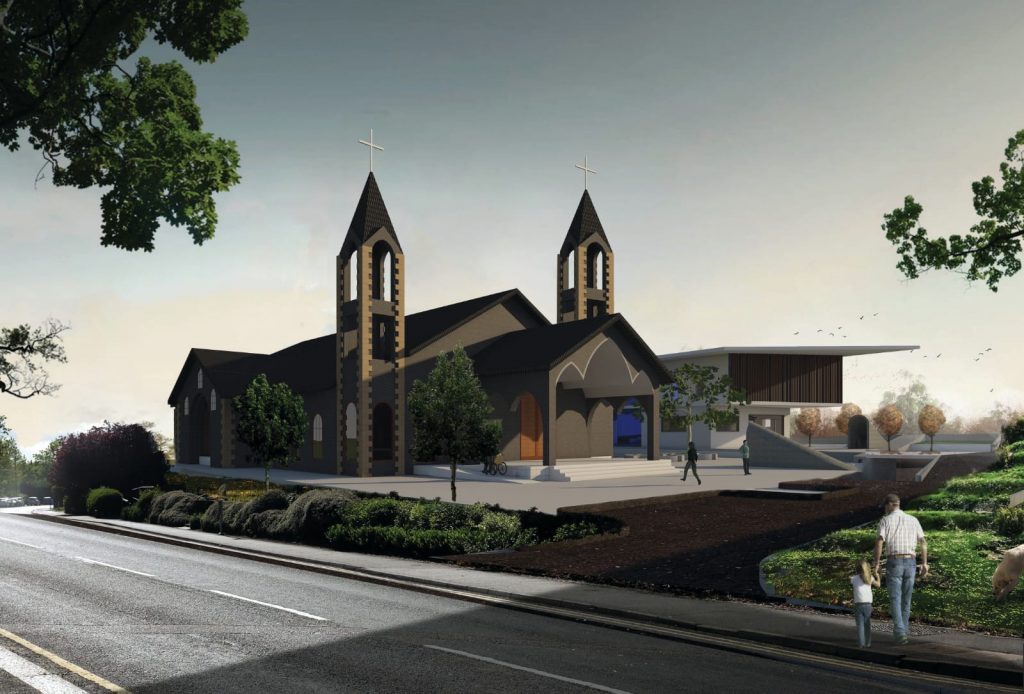
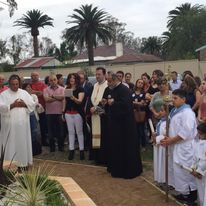
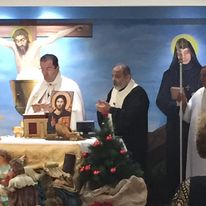
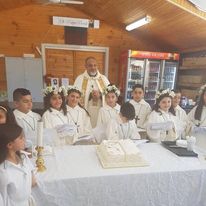
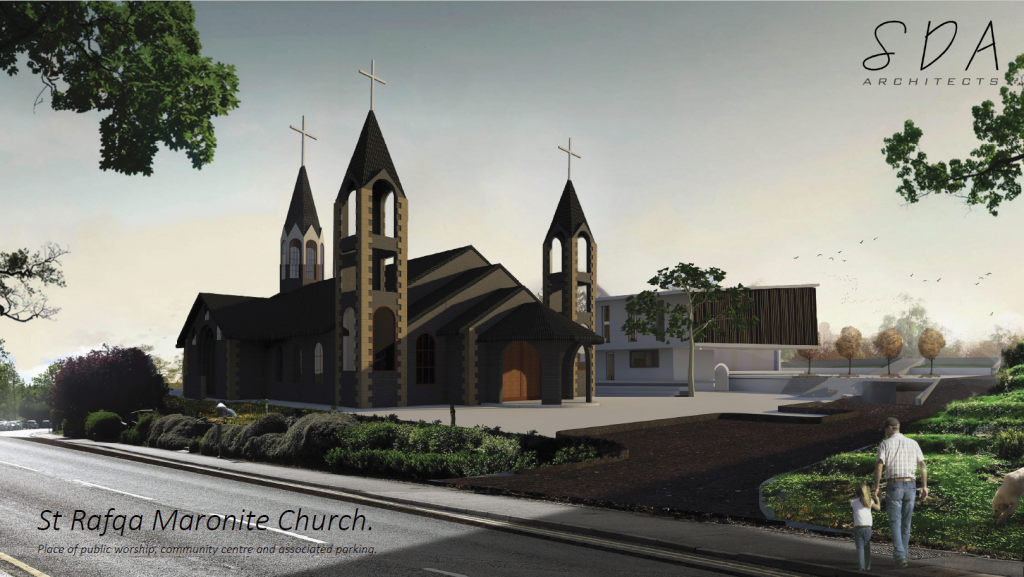
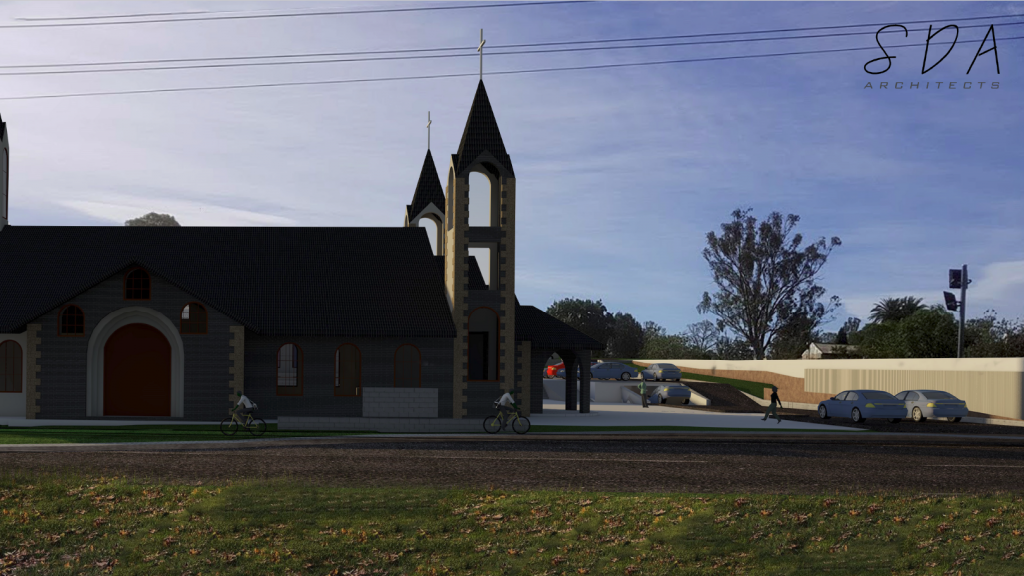
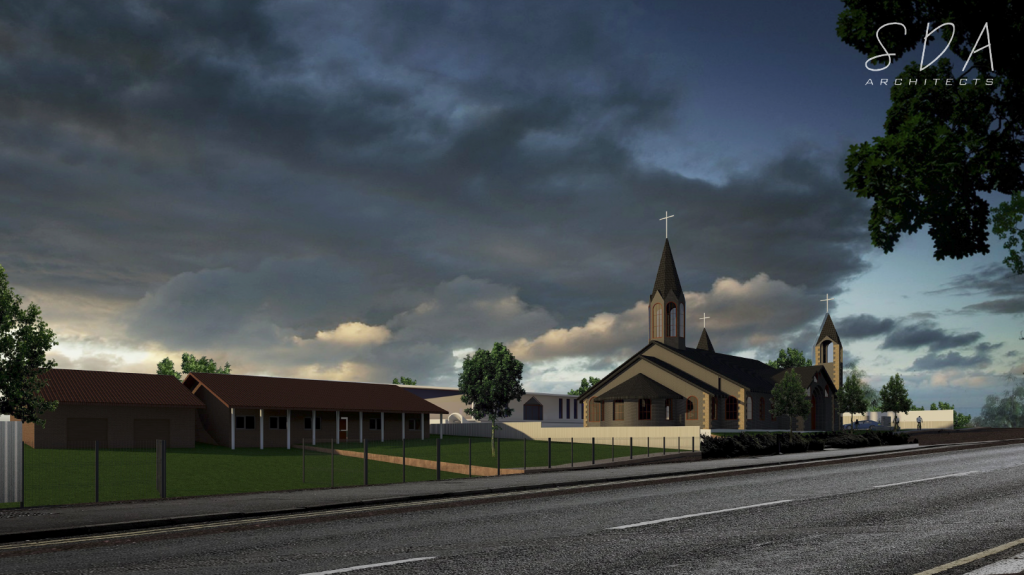
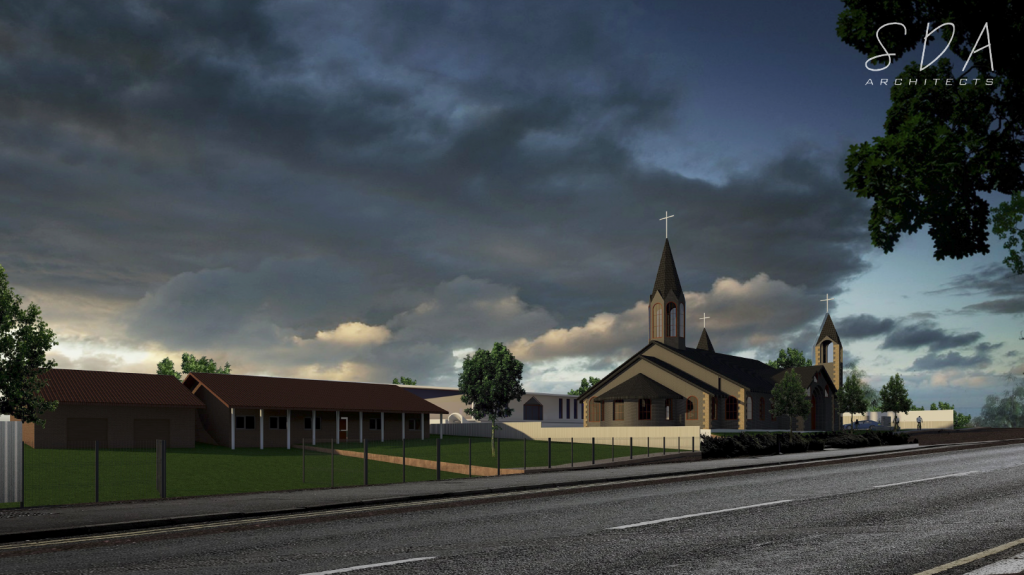
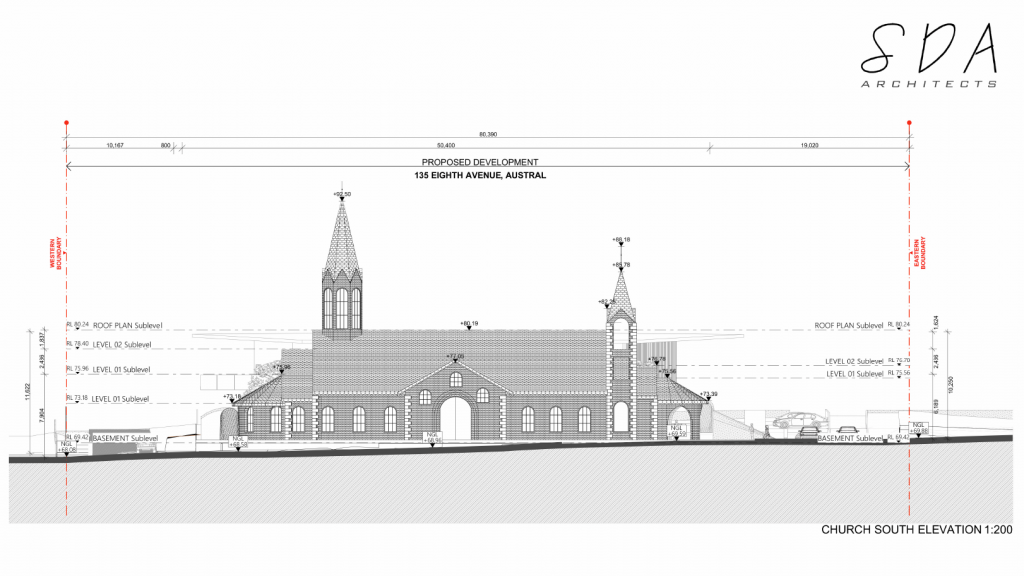
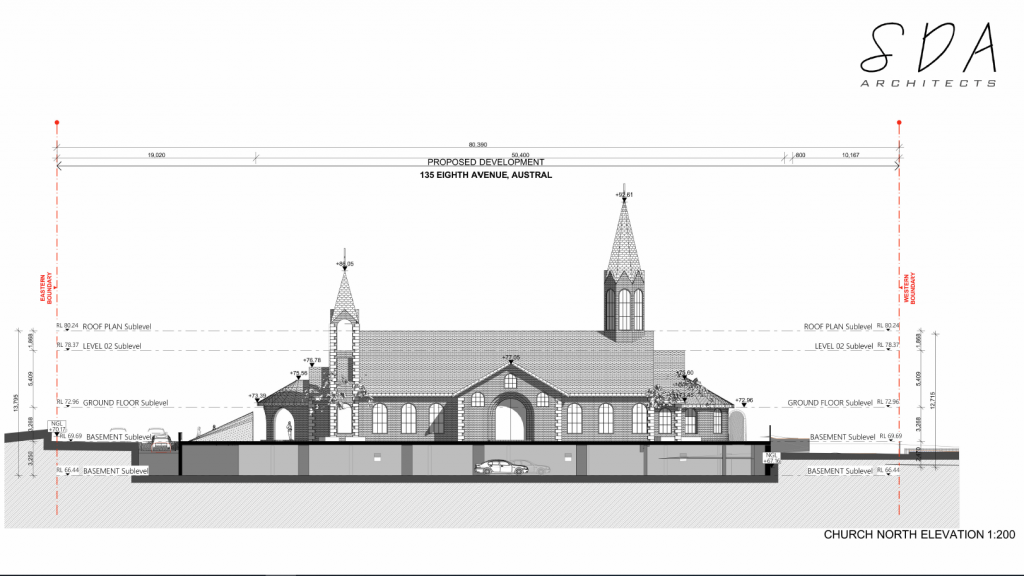
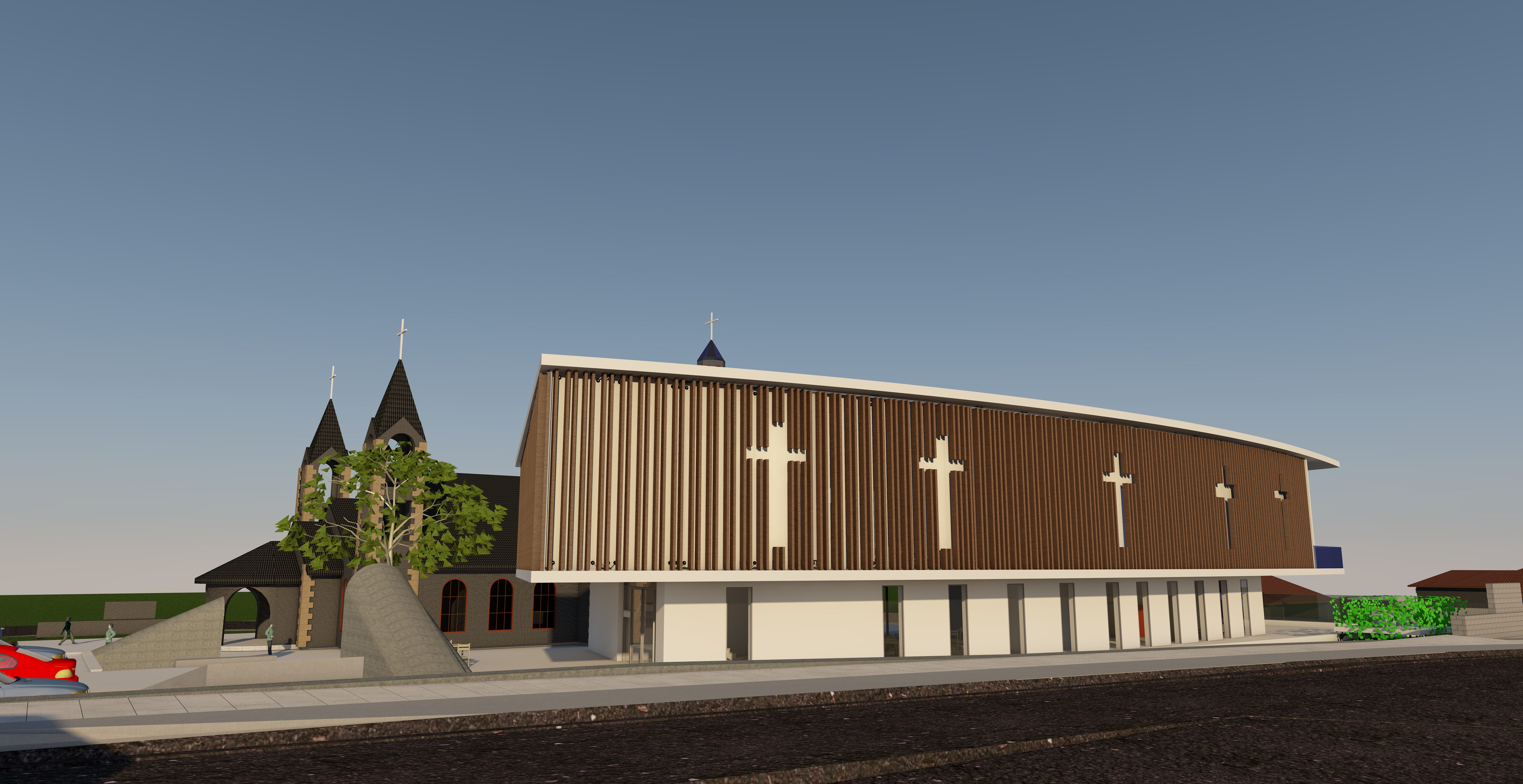
New Church Building
BIRTHPLACE & CHILDHOOD
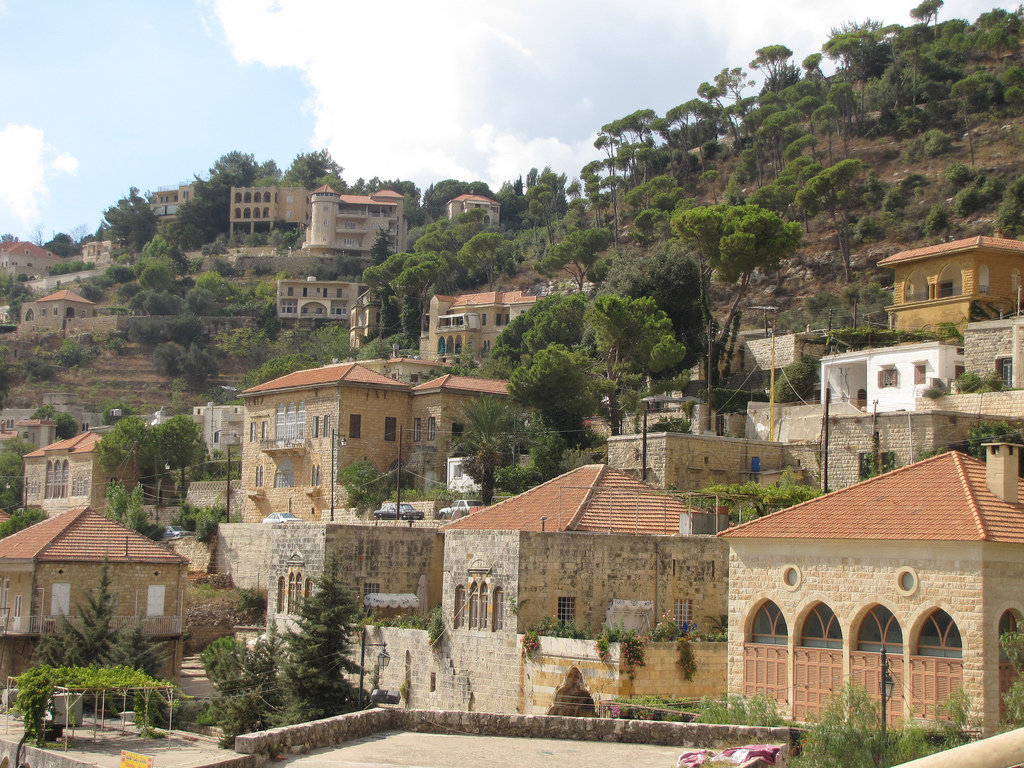
St Rafqa was born in Himlaya, Mount Lebanon on June 29, 1832. She was the only child to her Maronite Catholic parents Mourad Saber el-Chobok el-Rayess and Rafqa Gemayel. On July 7, 1832 she was baptised and christened Boutroussieh (a girl version for the name Peter). Her parents taught her the love of God and daily praying. In 1839, when she was 7 years old, Boutroussieh (St Rafqa) lost her mother whom she dearly loved. Her father went through poverty, so he sent her to Damascus, Syria in 1843 to work for Assad Badawi’s who was of Lebanese origin for four years. Boutroussieh (St Rafqa) came back home in 1847, to find that her father had remarried another woman named Kafa. Boutroussieh (St Rafqa) was beautiful, pleasant, humorous and pure with a serene voice. Her aunt wanted her to marry her son while her stepmother wanted her to marry her brother and therefore a conflict emerged. Boutroussieh (St Rafqa) felt bad about this situation and she prayed to God and she chose to enter the monastic life instead of the married life.
(1859-1871)
OUR LADY OF DELIVERANCE MONASTERY
Boutroussieh (St Rafqa) asked God to help her achieve her desire, so she travelled to Our Lady of Deliverance monastery in Bikfaya, Mount Lebanon to become a nun. When she entered the monastery church she felt deep joy and happiness. While looking and praying at the Our Lady of Deliverance Icon, God’s voice inviting her to devotion and said to her: “You’re becoming a nun”. The Mother Superior accepted her without any interrogation and she entered the monastery. Boutroussieh (St Rafqa) refused to go back home when her father and stepmother came to monastery to discourage her and pleaded with her to choose the married life.
Boutroussieh (St Rafqa) became a student in the monastery and on St Joseph’s day on March 19, 1861, she wore the Initiation Robe. On March 19, 1862, Boutroussieh (St Rafqa) was presented with the monastic vows in the monastery of Ghazir, Mount Lebanon. Boutroussieh (St Rafqa) stayed with nun Mary Gemayel in Ghazir’s clericalism which was run by the Jesuits. The main purpose of the monastery was to educate the girls if they really wanted to enter the congregation of St Mary. In addition to the education, Boutroussieh (St Rafqa) was in charge of the kitchen service which was to organise, prepare and serve food for the monastery.
While in the monastery of Ghazir, Mount Lebanon she studied the arabic language, calligraphy and calculations and in 1860, Boutroussieh (St Rafqa) was sent to Deir el-Kamar, Mount Lebanon to teach children catechism. During her stay in Deir el-Kamar she witnessed bloody events in the village which Boutroussieh (St Rafqa) saw with her own eyes many people getting killed. She was strong and courageous enough to hide a child under her robe and save him from death. Boutroussieh (St Rafqa) spent almost a year in Deir el-Kamar, Mount Lebanon then she went back to Ghazir, Mount Lebanon.
In 1863, following the orders of her superiors, Boutroussieh (St Rafqa) went to the school of the monastic order in Byblos, Mount Lebanon where she spent more than a year, teaching girls education and faith. Early in 1864, she was transferred from Byblos, Mount Lebanon to Maad, Mount Lebanon upon the request of the great benevolent Antoun Issa. In Maad, Mount Lebanon, Boutroussieh (St Rafqa) and another nun spent seven years establishing a school to teach girls.
(1871-1914)
While living in Maad, Mount Lebanon and following a crisis in the Congregation of St Mary in 1871, Boutroussieh (St Rafqa) entered St George’s church, and asked God for help, and she heard a voice calling her: “You’re becoming a nun.” While Boutroussieh (St Rafqa) was praying she saw a vision of St George, St Simon, and St. Anthony the Great, father of the monks, who told her: “become a nun in the Lebanese Maronite Order.”
After this vision, Mr Antoun Issa made it easy for Boutroussieh (St Rafqa) to leave and transferred her from Maad, Mount Lebanon to the monastery of St Simon el-Qarn in Aito, North Lebanon. She was immediately accepted and wore the Initiation Robe on July 12, 1871 and was presented her vows on August 25, 1872 and was named Nun Rafqa after her mother.
Nun Rafqa spent 26 years in the monastery of St Simon el-Qarn in Aito, North Lebanon between 1871 to 1897. She was a role model for other nuns by recalling the regulations, praying, living in austerity, sacrificing and working in silence.
On the first Sunday of October 1885, she entered the convent church and began to pray asking God to make her a part of his divine pains. God responded immediately and gave her unbearable pains in her head and moved to her eyes. All attempts to cure her failed and the superior nun decided to send her to Beirut, Lebanon to receive treatment. As Nun Rafqa was passing by St John-Marc’s church in Byblos, Mount Lebanon she noticed an American doctor and she told him to examine her.
During the examination, the American doctor accidentally pulled out her right eye and the disease quickly spread to her left eye resulting in the examination being a failure. Nun Rafqa returned to her monastery where she suffered from terrible pains in her eyes for 12 years and remained patient, silent, praying in joy and sharing her pains with Jesus.
When the Lebanese Maronite Order decided to build the monastery of St Joseph al-Dahr in Jrabta, Mount Lebanon in 1897, six nuns of St Simon el-Qarn monastery in Aito, North Lebanon were sent to the new monastery under the supervision of Mother Ursula Doumit from Maad, Mount Lebanon. Nun Rafqa was among the six nuns who were instructed to help establish the new monastery.
In 1899, Sister Rafqa lost sight in her left eye and became blind, entering a new stage of her suffering. Sister Rafqa lived the last phase of her life in total blindness, unbearable pain in her sides and weakness in her body. Also her right hip and leg were disjointed, the bone of her shoulder had altered its position and the vertebra became very apparent.
With only Sister Rafqa’s face remaining bright and radiant and her hands still intact, she was able to knit socks and clothes and always thanked God for sparing her hands and making her a part of his divine pains.
On March 23, 1914, Sister Rafqa rested in peace, living a life of pray, service and suffering, counting on the Mother of God and St Joseph to protect and guide her thoughts and actions during her life on earth. She was buried in the cemetery of the monastery.
On July 10, 1927, her body was transferred to another shrine in the monastery, which was the beginning of her case of her beatification on December 23, 1925 and her initial investigation of her sainthood on May 16, 1926.
On June 9, 1984, the eve of Pentecost, in the presence of the Pope John Paul II, the decree approving the miracle of Elizabeth Ennakl, who was said to have been completely cured of uterine cancer in 1938 at the tomb of Rafqa was announced.